How to Prepare Cabinets for Refinishing: A Step-by-Step Guide

Cabinet Refinishing

Cabinet Refinishing Sacramento can completely refresh the appearance of a kitchen, bathroom, laundry room, or other space without requiring full cabinet replacement. However, the quality and durability of the finished surface depend heavily on what happens before the new coating or finish is applied. Grease, dirt, damaged surfaces, glossy coatings, and leftover hardware can interfere with adhesion and leave the final result looking uneven.

Proper preparation creates a clean, stable surface that allows refinishing materials to perform as intended. Understanding how to prepare cabinets for refinishing can help homeowners achieve a smoother appearance, improve durability, and avoid many common problems that occur when preparation is rushed.

Why Is Cabinet Preparation So Important?

Preparation is one of the most important stages of any cabinet refinishing project because new coatings need a suitable surface to adhere properly. Kitchen cabinets in particular can accumulate cooking grease, fingerprints, dust, cleaning-product residue, and other contaminants over many years. Applying a new finish directly over these materials may result in peeling, bubbling, uneven coverage, or premature wear. Even cabinets that appear relatively clean can contain invisible residues that affect adhesion. Thorough preparation gives the new finish the best opportunity to bond correctly.

Proper preparation also helps create a more professional-looking result. Scratches, dents, old hardware holes, damaged edges, and other imperfections may become more noticeable after a fresh finish is applied. Identifying and repairing these problems beforehand creates a more uniform surface. Preparation also provides an opportunity to inspect cabinet doors, drawer fronts, frames, and hardware for damage. Spending additional time at this stage can prevent much more difficult corrections later.

How Should You Inspect Cabinets Before Refinishing?

The first step is evaluating the overall condition of the cabinets. Doors and drawer fronts should be inspected for cracks, loose joints, water damage, peeling surfaces, deep scratches, and other deterioration. Cabinet frames should also be examined carefully, particularly around sinks and other areas where moisture exposure is common. Minor cosmetic damage can often be repaired during preparation. More significant structural deterioration may need to be corrected before refinishing is considered.

The existing cabinet material and finish should also be identified whenever possible. Solid wood, wood veneer, medium-density fiberboard, laminate, and other manufactured materials do not always require identical preparation techniques. Similarly, previously painted cabinets may need different treatment from stained or factory-finished surfaces. Understanding what you are working with helps determine the appropriate cleaning, sanding, priming, and refinishing approach. Testing products on an inconspicuous area can be useful when the existing finish is uncertain.

How Do You Remove Doors, Drawers, and Hardware?

Removing cabinet doors and drawer fronts makes it easier to prepare every visible surface consistently. Hinges, knobs, pulls, and other removable hardware should generally be taken off rather than worked around. This provides better access to edges and corners while preventing paint, stain, or other finishing materials from covering the hardware. Doors can then be placed on a suitable work surface for cleaning, repairs, and sanding. Organized disassembly makes the later refinishing stages much easier.

Labeling components is particularly important when working with a large number of cabinets. Doors, drawers, hinges, and related hardware can be marked according to their original locations so they return to the correct openings during reassembly. Hardware can be stored in labeled containers or bags to prevent small components from being lost. Taking reference photographs before disassembly can also simplify the installation process later. A few minutes of organization can prevent considerable frustration at the end of the project.

How Should Cabinets Be Cleaned Before Refinishing?

Cabinet surfaces should be cleaned thoroughly before sanding begins. This is especially important in kitchens, where airborne grease can settle on doors, frames, and areas near cooking appliances. An appropriate cleaner or degreasing product can help remove oils, food residue, fingerprints, and accumulated grime. Cleaning should include edges, corners, molding, and recessed details rather than focusing only on large flat surfaces. Refinishing over contamination can lead to adhesion problems even when the rest of the preparation is completed correctly.

After cleaning, any remaining cleaning residue should be removed according to the product instructions, and the cabinets should be allowed to dry completely. Sanding damp or greasy surfaces can spread contaminants rather than removing them effectively. Clean surfaces are also easier to inspect for scratches and damage that may have been hidden beneath dirt. If areas still feel greasy or look contaminated after the first cleaning, additional cleaning may be necessary. Starting with a truly clean surface improves every stage that follows.

How Do You Repair Cabinet Damage Before Refinishing?

Minor cabinet damage should be corrected before sanding and finishing. Small dents, scratches, unwanted hardware holes, and other surface imperfections may be filled with a repair material suitable for the cabinet substrate and intended finish. Loose joints or trim pieces should also be secured before cosmetic refinishing begins. Repairs need enough time to cure properly before they are sanded smooth. Rushing this stage can leave visible imperfections beneath the final coating.

Water-damaged or deteriorated material deserves closer attention because refinishing cannot correct structural problems by itself. Swollen engineered wood, delaminating veneer, severely damaged edges, or deteriorated cabinet components may require more extensive repair or replacement. Applying a fresh finish over unstable material only hides the problem temporarily. The underlying surface needs to be sound before refinishing begins. Proper evaluation prevents homeowners from investing time and materials in surfaces that are not suitable for refinishing.

Why Is Sanding Important for Cabinet Refinishing?

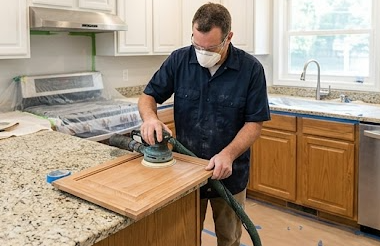
Sanding helps create a surface that is smoother and more receptive to the new coating system. Many existing cabinet finishes are hard and glossy, which can make it difficult for primers or new finishes to adhere properly. Light sanding or deglossing reduces this slick surface while also smoothing minor imperfections and repaired areas. The objective is generally to prepare the surface appropriately rather than automatically removing every trace of the existing finish. The exact approach depends on the cabinet material and the refinishing system being used.

Care should be taken around edges, profiles, veneers, and decorative details because aggressive sanding can damage them. Thin veneers are particularly vulnerable because sanding through the top layer can create permanent visible damage. After sanding, dust should be removed thoroughly from doors, drawer fronts, frames, corners, and surrounding work areas. Remaining dust can become trapped beneath primer or finish and create a rough surface. Cleanliness after sanding is just as important as the sanding itself.

Should Cabinets Be Primed Before Refinishing?

Primer is commonly used when cabinets are being painted because it can improve adhesion and create a more consistent base for the finish coats. It may also help block discoloration, tannins, or previous colors from affecting the final appearance. The correct primer depends on the cabinet substrate, existing finish, and coating that will be applied afterward. Using incompatible products can create adhesion or appearance problems. Following the refinishing system’s product recommendations is therefore important.

Primer application also provides another opportunity to identify imperfections. Once a uniform primer coat is present, scratches, dents, rough repairs, and uneven sanding may become easier to see. These areas can often be corrected before the final coats are applied. Light sanding between appropriate stages may further improve smoothness when recommended by the product manufacturer. Careful attention during priming contributes significantly to a polished final appearance.

How Should the Work Area Be Prepared?

Cabinet refinishing can create dust, fumes, and overspray depending on the products and application methods being used. Countertops, appliances, floors, walls, backsplashes, and nearby furniture should be protected before work begins. Areas that are not being refinished can be masked carefully to create clean boundaries. Adequate ventilation should also be provided according to the requirements of the cleaning, priming, and finishing products. Good workspace preparation helps protect the rest of the home.

Dust control is especially important because airborne particles can settle onto wet coatings and affect the final surface. Sanding should be completed and the area cleaned thoroughly before finish application begins. Doors and drawer fronts should be positioned in a clean workspace where they can dry or cure without being touched unnecessarily. Maintaining an organized environment reduces accidental damage throughout the project. Professional-looking cabinet refinishing depends as much on workspace control as it does on application technique.

What Common Cabinet Preparation Mistakes Should You Avoid?

One of the biggest mistakes is skipping or rushing the cleaning stage. Sanding greasy cabinets can push contamination into the surface and make proper adhesion more difficult. Another common mistake is applying new coatings over glossy finishes without the preparation required by the chosen refinishing system. Failing to remove sanding dust can also create roughness and visible imperfections. Each preparation stage has a specific purpose and should not be treated as optional.

Homeowners should also avoid assuming that every cabinet material can be prepared in exactly the same way. Aggressive sanding that works on certain solid-wood surfaces may permanently damage thin veneers or some manufactured finishes. Incorrect primers and coatings can also cause compatibility problems. When the existing cabinet material or finish is uncertain, professional evaluation may help prevent expensive mistakes. Choosing the correct preparation method is essential for achieving durable results.

Final Thoughts

Learning how to prepare cabinets for refinishing is essential for achieving a smooth, attractive, and durable result. Successful preparation begins with inspecting the cabinets, removing and organizing doors and hardware, thoroughly cleaning the surfaces, repairing damage, sanding appropriately, and preparing the work area. Depending on the chosen finish, proper priming may also be an important part of creating a stable foundation for the final coating. Although preparation can take considerable time, rushing these steps often leads to peeling, uneven surfaces, and premature wear. Careful cabinet preparation helps ensure that the refinishing work looks better and continues performing well long after the project is completed.
Does Homeowners Insurance Cover Water Damage Restoration? What Every Homeowner Should Know

Water Damage Restoration

A burst pipe in the middle of the night or an overflowing washing machine can turn an ordinary day into a stressful situation within minutes. After the immediate concern of stopping the water, another question quickly follows: will homeowners insurance cover the cost of water damage restoration? The answer is not always straightforward because insurance coverage depends on how the damage occurred and the specific terms of the policy.

While many homeowners assume all water damage is covered, certain situations may be included while others are excluded. Understanding how homeowners insurance generally applies to water damage restoration can help homeowners prepare for unexpected events and make informed decisions before a claim becomes necessary. Visit Website for more information.

How Does Homeowners Insurance Typically Handle Water Damage?

Homeowners insurance is generally designed to protect against sudden and accidental events rather than problems that develop gradually over time. In many standard policies, water damage caused by an unexpected plumbing failure, a burst pipe, or an appliance malfunction may qualify for coverage if the event was sudden and not the result of neglect. When coverage applies, the policy may help pay for repairs to damaged portions of the home as well as certain restoration services needed to return the property to its previous condition. Every policy is different, so homeowners should review their individual coverage carefully.

Insurance companies often distinguish between water damage and the cause of the water damage itself. For example, a policy may cover repairs to flooring or drywall damaged by a sudden plumbing leak, but it may not cover replacing the worn pipe that failed if it simply reached the end of its useful life. Understanding this distinction helps homeowners develop realistic expectations about what insurance may or may not pay for. Reading policy documents before an emergency occurs can eliminate confusion during the claims process.

What Types of Water Damage Are Commonly Covered?

Coverage often applies when water damage results from a sudden and unexpected event that could not reasonably have been prevented. Examples may include burst plumbing pipes, accidental overflows from household appliances, or water escaping from certain plumbing systems. Because these events occur unexpectedly, insurance policies frequently view them differently from maintenance-related problems. The goal of coverage is generally to help restore the home after an unforeseen incident rather than routine wear and tear. Homeowners should report qualifying losses promptly to help support the claims process.

Water damage resulting from firefighting efforts is another situation that is commonly addressed under many homeowners insurance policies. Although the water itself may damage flooring, walls, furniture, and other belongings, the restoration process may be considered part of the covered loss resulting from the fire event. Similar situations may arise after certain storm-related incidents if water enters the home because of a covered event. Since coverage varies between policies, homeowners should always confirm the details of their specific insurance contract.

What Types of Water Damage May Not Be Covered?

Not every form of water damage is automatically covered by homeowners insurance. Damage resulting from long-term neglect, poor maintenance, or unresolved plumbing leaks is commonly excluded under many policies. If a slow leak beneath a sink has been present for months and eventually damages cabinets and flooring, the insurance company may determine that the homeowner had sufficient opportunity to identify and correct the problem. Routine maintenance responsibilities generally remain with the property owner rather than the insurance provider.

Groundwater intrusion and flooding are also treated differently from many sudden water events. Water entering the home because of rising floodwaters or similar large-scale events is often excluded from standard homeowners insurance policies. In many situations, separate flood insurance may be necessary for this type of protection. Sewer or drain backups may also require additional policy endorsements depending on the insurance plan. Understanding these distinctions helps homeowners avoid unexpected surprises after water damage occurs.

What Does Water Damage Restoration Usually Include?

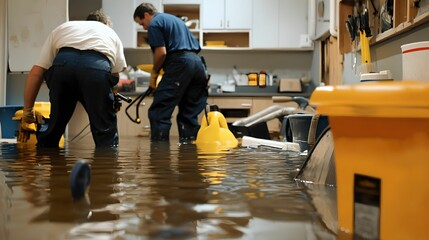
Water damage restoration involves much more than simply removing visible water from the floor. The restoration process begins with identifying the source of the water and ensuring that no additional moisture continues entering the property. Standing water is removed, and affected areas are carefully evaluated to determine how far moisture has spread. Drying equipment is then used to reduce moisture levels within walls, flooring, ceilings, insulation, and other structural materials. The goal is to stabilize the home while preventing additional deterioration.

Restoration may also involve cleaning affected areas, removing damaged materials when necessary, and preparing the property for repairs. Hidden moisture often requires careful monitoring because surfaces that appear dry may still contain significant amounts of trapped water. Thorough restoration helps preserve structural components while reducing the likelihood of ongoing damage. Whether insurance contributes to these costs depends on the circumstances surrounding the original water event and the terms of the homeowner’s policy.

What Should Homeowners Do After Discovering Water Damage?

The first priority is always stopping the source of the water whenever it is safe to do so. Shutting off the water supply, controlling the leak, or preventing additional water from entering the home helps limit further damage. Once the immediate situation has been stabilized, homeowners should document the affected areas by taking photographs and recording visible damage. This information may become valuable if an insurance claim is submitted. Prompt documentation provides a clear record of the property’s condition immediately after the event.

Homeowners should also notify their insurance provider as soon as possible if they believe the damage may be covered. Early communication allows the claims process to begin while providing guidance regarding documentation, inspections, and next steps. Delaying notification could complicate claim handling in certain situations. At the same time, homeowners should take reasonable steps to prevent additional damage from occurring while waiting for further instructions. Acting responsibly after a water event helps protect both the property and the insurance claim.

How Can Homeowners Reduce the Risk of Future Water Damage?

Preventing water damage begins with routine maintenance throughout the home. Plumbing systems should be inspected periodically for leaks, corrosion, worn fittings, and aging supply lines. Household appliances that rely on water should also be examined regularly because hoses and connections naturally wear over time. Replacing older components before they fail often prevents sudden plumbing emergencies. Consistent maintenance reduces both the likelihood of water damage and the possibility of insurance claim disputes involving neglected repairs.

Roofs, gutters, and drainage systems also deserve regular attention because exterior water intrusion can create significant damage if left unresolved. Gutters should remain free of debris so rainwater flows away from the home properly. Downspouts should direct water away from the foundation, and grading around the property should prevent water from collecting near structural walls. Homeowners who invest in preventive maintenance often experience fewer emergencies while preserving the overall condition of their property. Prevention remains one of the most effective ways to reduce future restoration needs.

Why Is It Important to Review Your Insurance Policy Regularly?

Many homeowners purchase insurance and rarely review their policy afterward, assuming the coverage remains unchanged over time. However, insurance needs often evolve as homes age, renovations are completed, or personal circumstances change. Reviewing policy details periodically allows homeowners to understand current coverage limits, deductibles, exclusions, and optional endorsements that may strengthen protection. This knowledge becomes especially valuable before a water emergency occurs rather than afterward.

Regular policy reviews also provide an opportunity to ask questions about specific types of water damage and restoration coverage. Understanding how sudden plumbing failures, appliance leaks, sewer backups, and flood events are treated under the policy helps eliminate uncertainty. Homeowners can then make informed decisions about whether additional coverage may be appropriate for their particular property. Being familiar with policy terms allows for quicker and more confident decision making if water damage ever occurs.

Final Thoughts

Whether homeowners insurance covers water damage restoration depends largely on how the damage occurred and the specific terms of the insurance policy. Sudden and accidental water events are often treated differently from long-term leaks, poor maintenance, flooding, or groundwater intrusion. Understanding these distinctions before an emergency arises allows homeowners to respond more confidently if water damage occurs. Regular maintenance, prompt action after discovering a leak, careful documentation, and periodic policy reviews all contribute to better protection for both the home and the homeowner. While every insurance policy is unique, being informed about potential coverage helps reduce uncertainty and supports better decisions during stressful situations.

Foundation Repair vs. Foundation Replacement: What’s the Difference?

Foundation Repair

A home’s foundation is something most people rarely think about until warning signs begin to appear. A crack running across a wall, doors that suddenly refuse to close properly, or uneven floors can quickly raise concerns about the stability of the entire structure. When foundation issues arise, homeowners often face two possible solutions: foundation repair or foundation replacement.

Although these terms are sometimes used interchangeably, they describe very different approaches to solving structural problems. Understanding the differences between GK Foundation Repair and foundation replacement can help homeowners make informed decisions, protect their investment, and choose the solution that best fits their property’s condition.

What Is Foundation Repair?

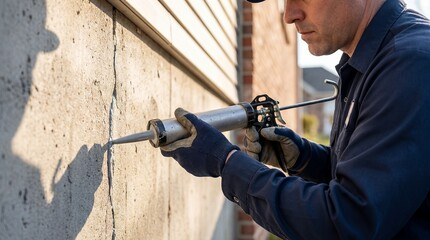
Foundation repair refers to correcting specific structural issues while preserving most of the existing foundation. The purpose of repair is to stabilize the home, address movement, and restore structural performance without removing and rebuilding the entire foundation. In many situations, only certain sections of the foundation are affected, making targeted repairs both practical and effective. Repair methods are selected based on the type of foundation, the cause of the damage, and the severity of the movement. When problems are identified early, repairing the existing foundation often provides an excellent long-term solution.

Foundation repair can address a wide variety of problems that develop over time. Minor settlement, isolated cracking, uneven floors, and localized structural movement are often corrected without requiring complete replacement. The success of any repair depends on accurately identifying the underlying cause of the damage rather than simply correcting visible symptoms. If the soil beneath the foundation has shifted or drainage problems continue allowing moisture to affect the structure, those issues must also be addressed. Repair focuses on restoring stability while preserving as much of the original foundation as possible.

When Is Foundation Replacement Necessary?

Foundation replacement is a much more extensive process that involves removing all or a significant portion of the existing foundation before constructing a new one. This option is generally considered only when the foundation has experienced severe structural deterioration or widespread failure that cannot be corrected through repair alone. Replacement may become necessary when damage affects multiple sections of the foundation or when the structural integrity has been compromised beyond practical repair. Although replacement requires a larger investment, it provides an opportunity to rebuild the foundation using current construction practices and improved materials. It is typically reserved for situations where repairs would not provide reliable long-term performance.

Several conditions may indicate that foundation replacement deserves consideration. Extensive structural cracking, major settlement throughout the home, severe foundation displacement, or widespread deterioration caused by long-term neglect may all reduce the effectiveness of repair alone. Older foundations that have reached the end of their service life may also require more comprehensive reconstruction. Every situation is unique, and the decision between repair and replacement depends on a thorough evaluation of the foundation’s overall condition. Replacement is generally viewed as the final solution when repairing isolated areas would no longer provide lasting stability.

What Causes Foundation Problems in the First Place?

Understanding why foundations develop problems helps homeowners appreciate the difference between repair and replacement. One of the most common causes is soil movement beneath the structure. As soil expands, contracts, settles, or erodes over time, it changes the level of support provided to the foundation. These gradual shifts may create uneven pressure that eventually leads to cracks, settlement, or structural movement. Moisture plays a major role because excessive water or prolonged dry conditions can significantly affect soil stability.

Poor drainage is another major contributor to foundation problems. Water collecting around the foundation increases pressure against structural walls while allowing moisture to penetrate areas that should remain dry. Plumbing leaks beneath the home, improperly functioning gutters, and grading that directs water toward the foundation all increase the likelihood of structural movement. Tree roots growing near the home may also remove moisture from surrounding soil, contributing to uneven settlement. Identifying these contributing factors is essential because even the best repair or replacement will not provide lasting results if the original cause remains unresolved.

How Do Repair and Replacement Compare in Cost?

Cost is often one of the first concerns homeowners have when evaluating foundation work. In general, foundation repair is less expensive than complete replacement because it addresses only the affected portions of the structure. Repair usually requires fewer materials, less demolition, and shorter construction timelines. When damage is identified early, homeowners often save considerable money by correcting the problem before it spreads further throughout the foundation. Timely repairs also reduce the likelihood of additional structural damage affecting walls, floors, windows, or roofing components.

Foundation replacement typically involves a much greater financial investment because it requires extensive planning, demolition, excavation, reconstruction, and structural support throughout the process. Although replacement costs are higher, it may prove more economical than repeatedly performing repairs on a foundation that continues to deteriorate. Homeowners should compare long-term value rather than focusing only on initial expense. A properly selected solution that addresses the root cause of the problem often reduces future maintenance and repair costs. Evaluating both immediate and long-term expenses helps support more informed decision making.

How Does Structural Damage Influence the Best Solution?

The extent of structural damage is one of the most important factors when deciding between repair and replacement. Minor cracks, isolated settlement, or limited movement often indicate that targeted repairs may successfully restore stability. Cosmetic cracks alone do not necessarily mean the entire foundation has failed. Careful evaluation helps determine whether the damage is superficial or whether deeper structural concerns exist. Understanding the severity of the problem allows homeowners to select the most appropriate solution rather than assuming replacement is always necessary.

More widespread structural problems often require a different approach. If multiple sections of the foundation have shifted significantly or if severe cracking extends throughout the structure, repair alone may no longer provide dependable results. Repeated repairs performed over many years without correcting the underlying structural issues may eventually become less effective. Replacement becomes a stronger consideration when the overall integrity of the foundation can no longer be restored through localized repairs. Evaluating the entire structure instead of focusing only on visible cracks provides a more accurate understanding of the home’s condition.

What Are the Long-Term Benefits of Each Option?

Foundation repair offers several long-term advantages when performed under appropriate conditions. Correcting problems early often prevents additional movement while preserving the existing structure. Repairs generally involve less disruption to daily life because only affected areas require attention. Homeowners also benefit from lower costs, shorter project timelines, and reduced demolition compared to complete replacement. When combined with improved drainage and proper maintenance, foundation repairs frequently provide many years of reliable structural performance.

Foundation replacement offers different long-term benefits because it creates an entirely new structural support system. Rebuilding the foundation allows construction methods, reinforcement, and drainage improvements to be incorporated into the project from the beginning. Replacement also eliminates concerns about older sections of the original foundation that may continue deteriorating over time. Although the process is more extensive, homeowners often gain confidence knowing the home is supported by a completely renewed structural base. The best long-term solution depends entirely on the specific condition of the existing foundation.

How Can Homeowners Protect Their Foundation?

Preventive maintenance remains one of the most effective ways to avoid major foundation problems regardless of whether repair or replacement has been performed. Proper drainage around the home is essential because excessive moisture contributes significantly to soil movement. Gutters should remain clean so rainwater flows efficiently through downspouts and away from the foundation. Landscaping should encourage water to drain away from the home rather than collect near structural walls. Maintaining consistent moisture conditions around the foundation helps reduce unnecessary movement over time.

Routine inspections also allow homeowners to identify warning signs before they become serious structural concerns. Cracks in walls, uneven floors, sticking doors or windows, and gaps around trim should all be evaluated promptly. Plumbing leaks beneath the home should be repaired quickly to prevent soil instability caused by excess moisture. Regular maintenance helps preserve foundation performance while reducing the likelihood of expensive repairs in the future. A proactive approach is often the best investment homeowners can make in protecting their property’s structural integrity.

Final Thoughts

Foundation repair and foundation replacement are both valuable solutions, but they serve different purposes depending on the condition of the home. Repair focuses on stabilizing and restoring specific problem areas while preserving the existing foundation whenever possible. Replacement involves rebuilding the structural support system when damage is too extensive for repairs alone to provide lasting results. The best choice depends on the severity of the damage, the underlying cause, the age of the foundation, and long-term performance goals. By understanding the differences between repair and replacement, homeowners can make informed decisions that protect their investment, improve structural stability, and ensure their home remains safe and secure for many years to come.

What Is Pest Control and How Does It Work? A Complete Guide for Homeowners

Pest Control

You may never notice the tiny ant trail beneath your cabinets, the faint scratching behind a wall, or the mosquito breeding area hidden in your backyard until the problem has already grown. Pests have a remarkable ability to remain unnoticed while they search for food, water, and shelter inside and around a home. By the time they become visible, they may have already established nests, damaged property, or contaminated living spaces.

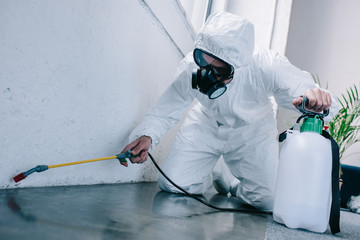
This is why many homeowners eventually ask the same question: what is pest control, and how does it actually work? Understanding Port St Lucie Pest Control process makes it easier to appreciate why professional treatment focuses on long-term prevention rather than simply eliminating visible pests.

What Is Pest Control?

Pest control is the process of managing, reducing, and preventing unwanted insects, rodents, and other organisms that can negatively affect homes, buildings, and surrounding environments. Its purpose extends beyond simply removing pests that are currently visible. Effective pest control also identifies the conditions that attract pests and addresses those issues to reduce the likelihood of future infestations. Rather than treating every situation the same way, pest control strategies are often customized according to the type of pest, the severity of the infestation, and the characteristics of the property. This targeted approach provides more reliable and lasting results than temporary solutions alone.

Pest control includes both corrective and preventive measures. Corrective treatments focus on eliminating existing pest activity, while preventive strategies are designed to stop new infestations before they begin. Professionals consider factors such as pest behavior, breeding cycles, food availability, moisture levels, and structural vulnerabilities when developing a treatment plan. Every property presents different challenges, which is why successful pest management requires careful evaluation rather than relying on a single treatment method. By combining inspection, treatment, and prevention, pest control helps maintain a cleaner, healthier, and more comfortable living environment.

How Does the Pest Control Process Begin?

Every successful pest control program begins with a thorough inspection of the property. Before recommending any treatment, professionals carefully examine both the interior and exterior to identify signs of pest activity and determine how the infestation developed. They look for droppings, nests, damaged materials, grease marks, insect trails, moisture problems, and potential entry points. This information allows them to identify not only the pests themselves but also the environmental conditions supporting their presence. A detailed inspection provides the foundation for an effective treatment plan.

The inspection also helps determine the extent of the infestation. Some pest problems remain isolated to one area, while others spread throughout multiple sections of a property before becoming noticeable. During this stage, professionals evaluate kitchens, bathrooms, basements, attics, crawl spaces, garages, utility rooms, and outdoor areas where pests commonly hide. Structural openings around foundations, windows, doors, rooflines, and plumbing penetrations are also examined. Understanding exactly where pests are living and how they are entering the property makes treatment far more effective than simply addressing visible activity.

How Are Different Types of Pests Treated?

Different pests require different treatment methods because their habits, nesting locations, and life cycles vary significantly. Ants often travel in organized trails that lead back to hidden colonies, while cockroaches spend much of their time concealed behind appliances or inside wall cavities. Rodents typically follow predictable travel paths along walls and construct nests in quiet, protected spaces. Termites remain hidden inside wood or beneath the soil, making them especially difficult to detect without careful inspection. Because each pest behaves differently, treatment strategies must be tailored to the specific infestation.

Treatment methods may involve targeted applications, baiting systems, monitoring devices, trapping techniques, exclusion methods, or habitat modification. Rather than applying products indiscriminately, professionals focus on the locations where pests live, travel, and reproduce. In many situations, combining several techniques produces better long-term results than relying on a single approach. Ongoing monitoring also allows treatment plans to be adjusted if pest activity changes over time. A customized strategy improves effectiveness while reducing unnecessary treatments throughout the property.

Why Is Prevention an Important Part of Pest Control?

One of the biggest misconceptions about pest control is that it ends once the visible pests disappear. In reality, eliminating the current infestation is only part of the overall process. Long-term success depends on preventing new pests from returning after treatment has been completed. This is why preventive pest control receives significant attention during professional service. Addressing the conditions that attract pests greatly reduces the likelihood of future infestations.

Prevention often begins by eliminating access to food, water, and shelter. Homeowners may be encouraged to improve food storage, repair plumbing leaks, reduce excess moisture, and maintain cleaner living spaces. Structural improvements such as sealing cracks around doors, windows, vents, and utility lines also help prevent pests from entering the home. Outdoor maintenance, including trimming vegetation and reducing standing water, further discourages pest activity near the structure. Combining these preventive measures with professional monitoring creates a stronger defense against recurring infestations.

What Are the Benefits of Professional Pest Control?

Professional pest control offers advantages that extend well beyond eliminating insects or rodents that happen to be visible. Experienced professionals understand pest biology, seasonal activity, nesting behavior, and the most effective treatment methods for different situations. This knowledge allows them to identify hidden infestations that homeowners may overlook. Rather than treating symptoms alone, professionals work to eliminate the underlying causes that support continued pest activity. Their expertise often results in more reliable and longer-lasting outcomes.

Professional pest control also saves homeowners valuable time and effort. Attempting to manage persistent infestations without a clear understanding of pest behavior can become frustrating and expensive. Repeated use of ineffective products may reduce visible activity temporarily without eliminating the source of the problem. Professional inspections provide a more complete understanding of the infestation while offering practical recommendations for long-term prevention. Investing in professional expertise often reduces recurring pest problems and helps protect the home from future damage.

How Can Homeowners Support Pest Control Efforts?

Homeowners play an essential role in maintaining the effectiveness of any pest control program. Daily habits and routine maintenance directly influence how attractive a property becomes to insects and rodents. Keeping food preparation areas clean, storing food in sealed containers, and disposing of garbage regularly remove many of the resources pests depend on for survival. Moisture should also be controlled by repairing plumbing leaks and improving ventilation in areas where humidity tends to accumulate. These simple habits make the home significantly less inviting to unwanted pests.

Regular property maintenance further strengthens pest prevention efforts. Cracks around foundations, damaged screens, loose weather stripping, and gaps around utility lines should be repaired promptly to reduce entry opportunities. Homeowners should also inspect their property periodically for early warning signs such as droppings, gnaw marks, insect activity, or unusual odors. Reporting these concerns early allows treatment to begin before infestations become more severe. A partnership between homeowners and pest control professionals provides the strongest protection against recurring pest problems.

Why Is Routine Pest Control More Effective Than Waiting for an Infestation?

Many homeowners only consider pest control after they discover visible insects or rodents inside the home. While reactive treatment can eliminate active infestations, waiting often allows pest populations to grow much larger before action is taken. Some pests reproduce rapidly, meaning a small problem can become widespread within a relatively short period. Routine pest control helps identify developing activity during its earliest stages, making treatment more efficient and less disruptive. Early intervention often requires fewer corrective measures while reducing the likelihood of extensive property damage.

Routine inspections also provide opportunities to identify maintenance concerns before they contribute to future infestations. Moisture problems, structural gaps, deteriorating weather seals, and landscaping conditions that attract pests can all be addressed before insects or rodents establish themselves. Preventive service allows professionals to monitor seasonal pest activity and adjust treatment strategies as conditions change throughout the year. Instead of responding to emergencies, homeowners benefit from consistent protection and greater peace of mind. Preventive maintenance ultimately provides a more practical and cost-effective approach to long-term pest management.

Final Thoughts

Pest control is far more than simply eliminating insects or rodents that appear inside a home. It is a comprehensive process that begins with careful inspection, continues through targeted treatment, and focuses heavily on long-term prevention. By identifying the causes of infestations, addressing structural vulnerabilities, reducing access to food and moisture, and monitoring changing conditions, effective pest control provides lasting protection rather than temporary relief. Homeowners who combine routine maintenance with professional pest management are far more likely to avoid recurring infestations and the property damage they can cause. Understanding how pest control works makes it easier to appreciate its value as an ongoing investment in the safety, comfort, and condition of any home.