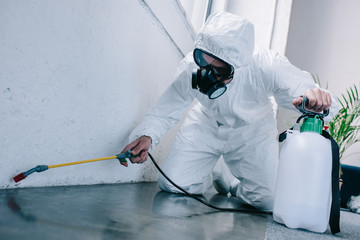
You may never notice the tiny ant trail beneath your cabinets, the faint scratching behind a wall, or the mosquito breeding area hidden in your backyard until the problem has already grown. Pests have a remarkable ability to remain unnoticed while they search for food, water, and shelter inside and around a home. By the time they become visible, they may have already established nests, damaged property, or contaminated living spaces.
This is why many homeowners eventually ask the same question: what is pest control, and how does it actually work? Understanding Port St Lucie Pest Control process makes it easier to appreciate why professional treatment focuses on long-term prevention rather than simply eliminating visible pests.
What Is Pest Control?
Pest control is the process of managing, reducing, and preventing unwanted insects, rodents, and other organisms that can negatively affect homes, buildings, and surrounding environments. Its purpose extends beyond simply removing pests that are currently visible. Effective pest control also identifies the conditions that attract pests and addresses those issues to reduce the likelihood of future infestations. Rather than treating every situation the same way, pest control strategies are often customized according to the type of pest, the severity of the infestation, and the characteristics of the property. This targeted approach provides more reliable and lasting results than temporary solutions alone.
Pest control includes both corrective and preventive measures. Corrective treatments focus on eliminating existing pest activity, while preventive strategies are designed to stop new infestations before they begin. Professionals consider factors such as pest behavior, breeding cycles, food availability, moisture levels, and structural vulnerabilities when developing a treatment plan. Every property presents different challenges, which is why successful pest management requires careful evaluation rather than relying on a single treatment method. By combining inspection, treatment, and prevention, pest control helps maintain a cleaner, healthier, and more comfortable living environment.
How Does the Pest Control Process Begin?
Every successful pest control program begins with a thorough inspection of the property. Before recommending any treatment, professionals carefully examine both the interior and exterior to identify signs of pest activity and determine how the infestation developed. They look for droppings, nests, damaged materials, grease marks, insect trails, moisture problems, and potential entry points. This information allows them to identify not only the pests themselves but also the environmental conditions supporting their presence. A detailed inspection provides the foundation for an effective treatment plan.
The inspection also helps determine the extent of the infestation. Some pest problems remain isolated to one area, while others spread throughout multiple sections of a property before becoming noticeable. During this stage, professionals evaluate kitchens, bathrooms, basements, attics, crawl spaces, garages, utility rooms, and outdoor areas where pests commonly hide. Structural openings around foundations, windows, doors, rooflines, and plumbing penetrations are also examined. Understanding exactly where pests are living and how they are entering the property makes treatment far more effective than simply addressing visible activity.
How Are Different Types of Pests Treated?
Different pests require different treatment methods because their habits, nesting locations, and life cycles vary significantly. Ants often travel in organized trails that lead back to hidden colonies, while cockroaches spend much of their time concealed behind appliances or inside wall cavities. Rodents typically follow predictable travel paths along walls and construct nests in quiet, protected spaces. Termites remain hidden inside wood or beneath the soil, making them especially difficult to detect without careful inspection. Because each pest behaves differently, treatment strategies must be tailored to the specific infestation.
Treatment methods may involve targeted applications, baiting systems, monitoring devices, trapping techniques, exclusion methods, or habitat modification. Rather than applying products indiscriminately, professionals focus on the locations where pests live, travel, and reproduce. In many situations, combining several techniques produces better long-term results than relying on a single approach. Ongoing monitoring also allows treatment plans to be adjusted if pest activity changes over time. A customized strategy improves effectiveness while reducing unnecessary treatments throughout the property.
Why Is Prevention an Important Part of Pest Control?
One of the biggest misconceptions about pest control is that it ends once the visible pests disappear. In reality, eliminating the current infestation is only part of the overall process. Long-term success depends on preventing new pests from returning after treatment has been completed. This is why preventive pest control receives significant attention during professional service. Addressing the conditions that attract pests greatly reduces the likelihood of future infestations.
Prevention often begins by eliminating access to food, water, and shelter. Homeowners may be encouraged to improve food storage, repair plumbing leaks, reduce excess moisture, and maintain cleaner living spaces. Structural improvements such as sealing cracks around doors, windows, vents, and utility lines also help prevent pests from entering the home. Outdoor maintenance, including trimming vegetation and reducing standing water, further discourages pest activity near the structure. Combining these preventive measures with professional monitoring creates a stronger defense against recurring infestations.
What Are the Benefits of Professional Pest Control?
Professional pest control offers advantages that extend well beyond eliminating insects or rodents that happen to be visible. Experienced professionals understand pest biology, seasonal activity, nesting behavior, and the most effective treatment methods for different situations. This knowledge allows them to identify hidden infestations that homeowners may overlook. Rather than treating symptoms alone, professionals work to eliminate the underlying causes that support continued pest activity. Their expertise often results in more reliable and longer-lasting outcomes.
Professional pest control also saves homeowners valuable time and effort. Attempting to manage persistent infestations without a clear understanding of pest behavior can become frustrating and expensive. Repeated use of ineffective products may reduce visible activity temporarily without eliminating the source of the problem. Professional inspections provide a more complete understanding of the infestation while offering practical recommendations for long-term prevention. Investing in professional expertise often reduces recurring pest problems and helps protect the home from future damage.
How Can Homeowners Support Pest Control Efforts?
Homeowners play an essential role in maintaining the effectiveness of any pest control program. Daily habits and routine maintenance directly influence how attractive a property becomes to insects and rodents. Keeping food preparation areas clean, storing food in sealed containers, and disposing of garbage regularly remove many of the resources pests depend on for survival. Moisture should also be controlled by repairing plumbing leaks and improving ventilation in areas where humidity tends to accumulate. These simple habits make the home significantly less inviting to unwanted pests.
Regular property maintenance further strengthens pest prevention efforts. Cracks around foundations, damaged screens, loose weather stripping, and gaps around utility lines should be repaired promptly to reduce entry opportunities. Homeowners should also inspect their property periodically for early warning signs such as droppings, gnaw marks, insect activity, or unusual odors. Reporting these concerns early allows treatment to begin before infestations become more severe. A partnership between homeowners and pest control professionals provides the strongest protection against recurring pest problems.
Why Is Routine Pest Control More Effective Than Waiting for an Infestation?
Many homeowners only consider pest control after they discover visible insects or rodents inside the home. While reactive treatment can eliminate active infestations, waiting often allows pest populations to grow much larger before action is taken. Some pests reproduce rapidly, meaning a small problem can become widespread within a relatively short period. Routine pest control helps identify developing activity during its earliest stages, making treatment more efficient and less disruptive. Early intervention often requires fewer corrective measures while reducing the likelihood of extensive property damage.
Routine inspections also provide opportunities to identify maintenance concerns before they contribute to future infestations. Moisture problems, structural gaps, deteriorating weather seals, and landscaping conditions that attract pests can all be addressed before insects or rodents establish themselves. Preventive service allows professionals to monitor seasonal pest activity and adjust treatment strategies as conditions change throughout the year. Instead of responding to emergencies, homeowners benefit from consistent protection and greater peace of mind. Preventive maintenance ultimately provides a more practical and cost-effective approach to long-term pest management.
Final Thoughts
Pest control is far more than simply eliminating insects or rodents that appear inside a home. It is a comprehensive process that begins with careful inspection, continues through targeted treatment, and focuses heavily on long-term prevention. By identifying the causes of infestations, addressing structural vulnerabilities, reducing access to food and moisture, and monitoring changing conditions, effective pest control provides lasting protection rather than temporary relief. Homeowners who combine routine maintenance with professional pest management are far more likely to avoid recurring infestations and the property damage they can cause. Understanding how pest control works makes it easier to appreciate its value as an ongoing investment in the safety, comfort, and condition of any home.