A burst pipe in the middle of the night or an overflowing washing machine can turn an ordinary day into a stressful situation within minutes. After the immediate concern of stopping the water, another question quickly follows: will homeowners insurance cover the cost of water damage restoration? The answer is not always straightforward because insurance coverage depends on how the damage occurred and the specific terms of the policy.
While many homeowners assume all water damage is covered, certain situations may be included while others are excluded. Understanding how homeowners insurance generally applies to water damage restoration can help homeowners prepare for unexpected events and make informed decisions before a claim becomes necessary. Visit Website for more information.
How Does Homeowners Insurance Typically Handle Water Damage?
Homeowners insurance is generally designed to protect against sudden and accidental events rather than problems that develop gradually over time. In many standard policies, water damage caused by an unexpected plumbing failure, a burst pipe, or an appliance malfunction may qualify for coverage if the event was sudden and not the result of neglect. When coverage applies, the policy may help pay for repairs to damaged portions of the home as well as certain restoration services needed to return the property to its previous condition. Every policy is different, so homeowners should review their individual coverage carefully.
Insurance companies often distinguish between water damage and the cause of the water damage itself. For example, a policy may cover repairs to flooring or drywall damaged by a sudden plumbing leak, but it may not cover replacing the worn pipe that failed if it simply reached the end of its useful life. Understanding this distinction helps homeowners develop realistic expectations about what insurance may or may not pay for. Reading policy documents before an emergency occurs can eliminate confusion during the claims process.
What Types of Water Damage Are Commonly Covered?
Coverage often applies when water damage results from a sudden and unexpected event that could not reasonably have been prevented. Examples may include burst plumbing pipes, accidental overflows from household appliances, or water escaping from certain plumbing systems. Because these events occur unexpectedly, insurance policies frequently view them differently from maintenance-related problems. The goal of coverage is generally to help restore the home after an unforeseen incident rather than routine wear and tear. Homeowners should report qualifying losses promptly to help support the claims process.
Water damage resulting from firefighting efforts is another situation that is commonly addressed under many homeowners insurance policies. Although the water itself may damage flooring, walls, furniture, and other belongings, the restoration process may be considered part of the covered loss resulting from the fire event. Similar situations may arise after certain storm-related incidents if water enters the home because of a covered event. Since coverage varies between policies, homeowners should always confirm the details of their specific insurance contract.
What Types of Water Damage May Not Be Covered?
Not every form of water damage is automatically covered by homeowners insurance. Damage resulting from long-term neglect, poor maintenance, or unresolved plumbing leaks is commonly excluded under many policies. If a slow leak beneath a sink has been present for months and eventually damages cabinets and flooring, the insurance company may determine that the homeowner had sufficient opportunity to identify and correct the problem. Routine maintenance responsibilities generally remain with the property owner rather than the insurance provider.
Groundwater intrusion and flooding are also treated differently from many sudden water events. Water entering the home because of rising floodwaters or similar large-scale events is often excluded from standard homeowners insurance policies. In many situations, separate flood insurance may be necessary for this type of protection. Sewer or drain backups may also require additional policy endorsements depending on the insurance plan. Understanding these distinctions helps homeowners avoid unexpected surprises after water damage occurs.
What Does Water Damage Restoration Usually Include?
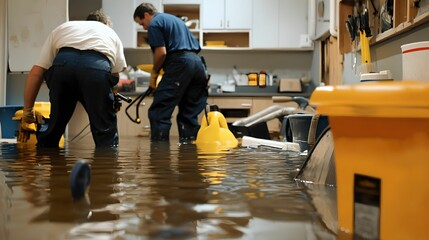
Water damage restoration involves much more than simply removing visible water from the floor. The restoration process begins with identifying the source of the water and ensuring that no additional moisture continues entering the property. Standing water is removed, and affected areas are carefully evaluated to determine how far moisture has spread. Drying equipment is then used to reduce moisture levels within walls, flooring, ceilings, insulation, and other structural materials. The goal is to stabilize the home while preventing additional deterioration.
Restoration may also involve cleaning affected areas, removing damaged materials when necessary, and preparing the property for repairs. Hidden moisture often requires careful monitoring because surfaces that appear dry may still contain significant amounts of trapped water. Thorough restoration helps preserve structural components while reducing the likelihood of ongoing damage. Whether insurance contributes to these costs depends on the circumstances surrounding the original water event and the terms of the homeowner’s policy.
What Should Homeowners Do After Discovering Water Damage?
The first priority is always stopping the source of the water whenever it is safe to do so. Shutting off the water supply, controlling the leak, or preventing additional water from entering the home helps limit further damage. Once the immediate situation has been stabilized, homeowners should document the affected areas by taking photographs and recording visible damage. This information may become valuable if an insurance claim is submitted. Prompt documentation provides a clear record of the property’s condition immediately after the event.
Homeowners should also notify their insurance provider as soon as possible if they believe the damage may be covered. Early communication allows the claims process to begin while providing guidance regarding documentation, inspections, and next steps. Delaying notification could complicate claim handling in certain situations. At the same time, homeowners should take reasonable steps to prevent additional damage from occurring while waiting for further instructions. Acting responsibly after a water event helps protect both the property and the insurance claim.
How Can Homeowners Reduce the Risk of Future Water Damage?
Preventing water damage begins with routine maintenance throughout the home. Plumbing systems should be inspected periodically for leaks, corrosion, worn fittings, and aging supply lines. Household appliances that rely on water should also be examined regularly because hoses and connections naturally wear over time. Replacing older components before they fail often prevents sudden plumbing emergencies. Consistent maintenance reduces both the likelihood of water damage and the possibility of insurance claim disputes involving neglected repairs.
Roofs, gutters, and drainage systems also deserve regular attention because exterior water intrusion can create significant damage if left unresolved. Gutters should remain free of debris so rainwater flows away from the home properly. Downspouts should direct water away from the foundation, and grading around the property should prevent water from collecting near structural walls. Homeowners who invest in preventive maintenance often experience fewer emergencies while preserving the overall condition of their property. Prevention remains one of the most effective ways to reduce future restoration needs.
Why Is It Important to Review Your Insurance Policy Regularly?
Many homeowners purchase insurance and rarely review their policy afterward, assuming the coverage remains unchanged over time. However, insurance needs often evolve as homes age, renovations are completed, or personal circumstances change. Reviewing policy details periodically allows homeowners to understand current coverage limits, deductibles, exclusions, and optional endorsements that may strengthen protection. This knowledge becomes especially valuable before a water emergency occurs rather than afterward.
Regular policy reviews also provide an opportunity to ask questions about specific types of water damage and restoration coverage. Understanding how sudden plumbing failures, appliance leaks, sewer backups, and flood events are treated under the policy helps eliminate uncertainty. Homeowners can then make informed decisions about whether additional coverage may be appropriate for their particular property. Being familiar with policy terms allows for quicker and more confident decision making if water damage ever occurs.
Final Thoughts
Whether homeowners insurance covers water damage restoration depends largely on how the damage occurred and the specific terms of the insurance policy. Sudden and accidental water events are often treated differently from long-term leaks, poor maintenance, flooding, or groundwater intrusion. Understanding these distinctions before an emergency arises allows homeowners to respond more confidently if water damage occurs. Regular maintenance, prompt action after discovering a leak, careful documentation, and periodic policy reviews all contribute to better protection for both the home and the homeowner. While every insurance policy is unique, being informed about potential coverage helps reduce uncertainty and supports better decisions during stressful situations.