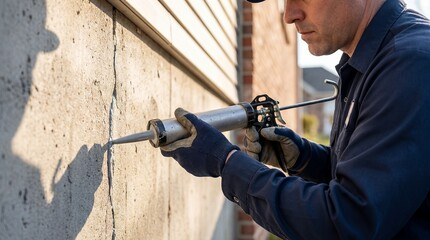
A home’s foundation is something most people rarely think about until warning signs begin to appear. A crack running across a wall, doors that suddenly refuse to close properly, or uneven floors can quickly raise concerns about the stability of the entire structure. When foundation issues arise, homeowners often face two possible solutions: foundation repair or foundation replacement.
Although these terms are sometimes used interchangeably, they describe very different approaches to solving structural problems. Understanding the differences between GK Foundation Repair and foundation replacement can help homeowners make informed decisions, protect their investment, and choose the solution that best fits their property’s condition.
What Is Foundation Repair?
Foundation repair refers to correcting specific structural issues while preserving most of the existing foundation. The purpose of repair is to stabilize the home, address movement, and restore structural performance without removing and rebuilding the entire foundation. In many situations, only certain sections of the foundation are affected, making targeted repairs both practical and effective. Repair methods are selected based on the type of foundation, the cause of the damage, and the severity of the movement. When problems are identified early, repairing the existing foundation often provides an excellent long-term solution.
Foundation repair can address a wide variety of problems that develop over time. Minor settlement, isolated cracking, uneven floors, and localized structural movement are often corrected without requiring complete replacement. The success of any repair depends on accurately identifying the underlying cause of the damage rather than simply correcting visible symptoms. If the soil beneath the foundation has shifted or drainage problems continue allowing moisture to affect the structure, those issues must also be addressed. Repair focuses on restoring stability while preserving as much of the original foundation as possible.
When Is Foundation Replacement Necessary?
Foundation replacement is a much more extensive process that involves removing all or a significant portion of the existing foundation before constructing a new one. This option is generally considered only when the foundation has experienced severe structural deterioration or widespread failure that cannot be corrected through repair alone. Replacement may become necessary when damage affects multiple sections of the foundation or when the structural integrity has been compromised beyond practical repair. Although replacement requires a larger investment, it provides an opportunity to rebuild the foundation using current construction practices and improved materials. It is typically reserved for situations where repairs would not provide reliable long-term performance.
Several conditions may indicate that foundation replacement deserves consideration. Extensive structural cracking, major settlement throughout the home, severe foundation displacement, or widespread deterioration caused by long-term neglect may all reduce the effectiveness of repair alone. Older foundations that have reached the end of their service life may also require more comprehensive reconstruction. Every situation is unique, and the decision between repair and replacement depends on a thorough evaluation of the foundation’s overall condition. Replacement is generally viewed as the final solution when repairing isolated areas would no longer provide lasting stability.
What Causes Foundation Problems in the First Place?
Understanding why foundations develop problems helps homeowners appreciate the difference between repair and replacement. One of the most common causes is soil movement beneath the structure. As soil expands, contracts, settles, or erodes over time, it changes the level of support provided to the foundation. These gradual shifts may create uneven pressure that eventually leads to cracks, settlement, or structural movement. Moisture plays a major role because excessive water or prolonged dry conditions can significantly affect soil stability.
Poor drainage is another major contributor to foundation problems. Water collecting around the foundation increases pressure against structural walls while allowing moisture to penetrate areas that should remain dry. Plumbing leaks beneath the home, improperly functioning gutters, and grading that directs water toward the foundation all increase the likelihood of structural movement. Tree roots growing near the home may also remove moisture from surrounding soil, contributing to uneven settlement. Identifying these contributing factors is essential because even the best repair or replacement will not provide lasting results if the original cause remains unresolved.
How Do Repair and Replacement Compare in Cost?
Cost is often one of the first concerns homeowners have when evaluating foundation work. In general, foundation repair is less expensive than complete replacement because it addresses only the affected portions of the structure. Repair usually requires fewer materials, less demolition, and shorter construction timelines. When damage is identified early, homeowners often save considerable money by correcting the problem before it spreads further throughout the foundation. Timely repairs also reduce the likelihood of additional structural damage affecting walls, floors, windows, or roofing components.
Foundation replacement typically involves a much greater financial investment because it requires extensive planning, demolition, excavation, reconstruction, and structural support throughout the process. Although replacement costs are higher, it may prove more economical than repeatedly performing repairs on a foundation that continues to deteriorate. Homeowners should compare long-term value rather than focusing only on initial expense. A properly selected solution that addresses the root cause of the problem often reduces future maintenance and repair costs. Evaluating both immediate and long-term expenses helps support more informed decision making.
How Does Structural Damage Influence the Best Solution?
The extent of structural damage is one of the most important factors when deciding between repair and replacement. Minor cracks, isolated settlement, or limited movement often indicate that targeted repairs may successfully restore stability. Cosmetic cracks alone do not necessarily mean the entire foundation has failed. Careful evaluation helps determine whether the damage is superficial or whether deeper structural concerns exist. Understanding the severity of the problem allows homeowners to select the most appropriate solution rather than assuming replacement is always necessary.
More widespread structural problems often require a different approach. If multiple sections of the foundation have shifted significantly or if severe cracking extends throughout the structure, repair alone may no longer provide dependable results. Repeated repairs performed over many years without correcting the underlying structural issues may eventually become less effective. Replacement becomes a stronger consideration when the overall integrity of the foundation can no longer be restored through localized repairs. Evaluating the entire structure instead of focusing only on visible cracks provides a more accurate understanding of the home’s condition.
What Are the Long-Term Benefits of Each Option?
Foundation repair offers several long-term advantages when performed under appropriate conditions. Correcting problems early often prevents additional movement while preserving the existing structure. Repairs generally involve less disruption to daily life because only affected areas require attention. Homeowners also benefit from lower costs, shorter project timelines, and reduced demolition compared to complete replacement. When combined with improved drainage and proper maintenance, foundation repairs frequently provide many years of reliable structural performance.
Foundation replacement offers different long-term benefits because it creates an entirely new structural support system. Rebuilding the foundation allows construction methods, reinforcement, and drainage improvements to be incorporated into the project from the beginning. Replacement also eliminates concerns about older sections of the original foundation that may continue deteriorating over time. Although the process is more extensive, homeowners often gain confidence knowing the home is supported by a completely renewed structural base. The best long-term solution depends entirely on the specific condition of the existing foundation.
How Can Homeowners Protect Their Foundation?
Preventive maintenance remains one of the most effective ways to avoid major foundation problems regardless of whether repair or replacement has been performed. Proper drainage around the home is essential because excessive moisture contributes significantly to soil movement. Gutters should remain clean so rainwater flows efficiently through downspouts and away from the foundation. Landscaping should encourage water to drain away from the home rather than collect near structural walls. Maintaining consistent moisture conditions around the foundation helps reduce unnecessary movement over time.
Routine inspections also allow homeowners to identify warning signs before they become serious structural concerns. Cracks in walls, uneven floors, sticking doors or windows, and gaps around trim should all be evaluated promptly. Plumbing leaks beneath the home should be repaired quickly to prevent soil instability caused by excess moisture. Regular maintenance helps preserve foundation performance while reducing the likelihood of expensive repairs in the future. A proactive approach is often the best investment homeowners can make in protecting their property’s structural integrity.
Final Thoughts
Foundation repair and foundation replacement are both valuable solutions, but they serve different purposes depending on the condition of the home. Repair focuses on stabilizing and restoring specific problem areas while preserving the existing foundation whenever possible. Replacement involves rebuilding the structural support system when damage is too extensive for repairs alone to provide lasting results. The best choice depends on the severity of the damage, the underlying cause, the age of the foundation, and long-term performance goals. By understanding the differences between repair and replacement, homeowners can make informed decisions that protect their investment, improve structural stability, and ensure their home remains safe and secure for many years to come.