For many property owners, a septic system operates quietly in the background with little attention required daily. Wastewater flows away from sinks, showers, toilets, and appliances, and everything appears to function normally. Because the system is buried underground and largely out of sight, it is easy to forget that it requires regular maintenance to continue operating efficiently. Among all septic maintenance tasks, septic tank pumping is one of the most important. It plays a crucial role in protecting the system, preserving property value, preventing costly repairs, and ensuring reliable wastewater treatment.
Septic tank pumping is not simply a routine service recommendation—it is a necessary component of responsible septic system ownership. Without regular pumping, solid waste accumulates inside the tank, eventually disrupting its ability to process wastewater effectively. Over time, neglecting this maintenance can lead to system failures, environmental concerns, unpleasant odors, and expensive restoration projects. Understanding the importance of Septic Tank Pumping Madera helps property owners appreciate the long-term value of preventative care and the role it plays in maintaining a healthy and functional wastewater system.
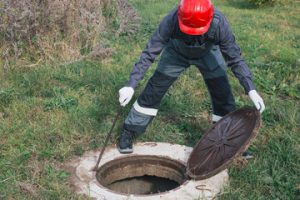
Understanding How a Septic System Works
To understand why septic tank pumping is essential, it is important to first understand how a septic system operates. A septic system is designed to collect, treat, and dispose of household wastewater on-site. Unlike properties connected to municipal sewer systems, septic systems rely on underground components to manage wastewater independently.
When wastewater leaves a home, it enters the septic tank. Inside the tank, a natural separation process occurs. Heavy solids sink to the bottom and form a sludge layer, while lighter substances such as grease and oils float to the surface and create a scum layer. Between these layers is liquid wastewater known as effluent.
The effluent exits the tank and flows into the drain field, where it undergoes additional treatment as it filters through the soil. Beneficial bacteria inside the septic tank help break down organic waste, reducing the volume of solids and supporting the treatment process.
Although bacteria contribute significantly to waste decomposition, they cannot eliminate all solids. Over time, sludge and scum continue to accumulate, making periodic pumping necessary to maintain proper system operation.
Why Septic Tank Pumping Is Necessary
The primary purpose of septic tank pumping is to remove accumulated sludge and scum before they interfere with the tank’s ability to function properly. As these layers grow thicker, the available space for wastewater treatment decreases. Eventually, the tank may become overloaded, reducing separation efficiency and increasing the risk of solids entering the drain field.
When solids reach the drain field, they can clog soil pores and impair wastewater absorption. This often results in system backups, standing water, and expensive repairs. Regular pumping prevents these issues by maintaining adequate capacity within the tank and supporting effective wastewater treatment.
Septic pumping serves several critical functions:
- Removes accumulated waste that cannot be broken down naturally.
- Restores tank capacity for wastewater processing.
- Protects the drain field from contamination and clogging.
- Improves system performance and reliability.
- Reduces the likelihood of emergency repairs.
These benefits make pumping one of the most important maintenance practices for septic system longevity.
Preventing Costly System Failures
One of the biggest reasons septic tank pumping is important is its ability to prevent major system failures. Septic repairs can be expensive, particularly when neglect allows problems to spread beyond the tank itself.
A full septic tank can cause wastewater to back up into household plumbing fixtures, resulting in unsanitary conditions and potential property damage. If the drain field becomes clogged due to excess solids, restoring functionality may require extensive excavation and replacement work.
The financial impact of septic system failure can include:
- Drain field replacement.
- Pipe repairs and reconstruction.
- Water damage restoration.
- Soil remediation.
- Emergency service costs.
Routine pumping represents a small investment compared to the substantial expenses associated with a neglected system. Preventative maintenance helps property owners avoid unexpected financial burdens and maintain system reliability.
Protecting the Drain Field
The drain field is one of the most important and costly components of a septic system. Its purpose is to disperse and further treat wastewater after it leaves the septic tank. Because the drain field relies on soil absorption and filtration, it is particularly vulnerable to contamination by excess solids.
When a septic tank is not pumped regularly, sludge levels rise and increase the likelihood of solids entering the drain field. Once the soil becomes clogged, wastewater can no longer flow or filter properly.
Protecting the drain field is one of the primary reasons septic pumping is so important. By removing excess sludge before it reaches critical levels, pumping helps preserve the drain field’s performance and extend its lifespan.
A healthy drain field contributes to:
- Efficient wastewater treatment.
- Proper soil filtration.
- Reduced environmental impact.
- Lower maintenance costs.
- Long-term system stability.
Without regular pumping, drain field damage becomes increasingly likely and often requires costly corrective measures.
Supporting Environmental Protection
Septic systems play an important role in environmental health by treating wastewater before it reenters the natural environment. When functioning correctly, they help reduce contamination and protect groundwater resources.
However, overloaded or failing septic systems can release untreated wastewater into the surrounding soil and water sources. This introduces harmful bacteria, nutrients, and contaminants that may affect ecosystems and water quality.
Regular septic tank pumping helps maintain treatment efficiency and minimizes the risk of environmental contamination. By keeping the system operating as intended, property owners contribute to responsible wastewater management and environmental stewardship.
The environmental benefits of proper septic maintenance include:
- Protection of groundwater resources.
- Reduced nutrient pollution.
- Improved soil treatment effectiveness.
- Lower risk of wastewater surface discharge.
- Enhanced overall environmental sustainability.
These benefits extend beyond individual properties and contribute to broader ecological health.
Improving System Efficiency and Performance
A septic system performs best when all components operate within their intended capacity. Excess sludge and scum reduce available treatment space and can interfere with wastewater flow patterns inside the tank.
Regular pumping restores proper capacity and improves overall system efficiency. Wastewater remains in the tank long enough for effective separation and treatment, allowing the drain field to receive cleaner effluent.
Improved efficiency often results in:
- Better wastewater processing.
- Reduced risk of plumbing backups.
- Consistent drainage performance.
- Improved treatment quality.
- Increased system reliability.
A well-maintained septic system functions more effectively and experiences fewer operational issues over time.
Eliminating Odors and Unpleasant Conditions
One of the first signs of septic system problems is often the presence of unpleasant odors. As sludge accumulates and wastewater treatment becomes less efficient, gases may escape through drains, vents, or outdoor components.
These odors can affect both indoor and outdoor comfort, creating an unpleasant environment for occupants and visitors. In severe cases, septic backups may occur, introducing unsanitary conditions within the property.
Routine septic pumping helps prevent odor issues by maintaining proper waste processing and reducing the likelihood of overflow or backup situations.
Maintaining a clean and properly functioning system contributes to a healthier and more comfortable living environment.
Extending the Lifespan of the Septic System
Every septic system has an expected service life, but that lifespan depends heavily on maintenance practices. Neglected systems experience greater stress, increased wear, and a higher likelihood of component failure.
Septic tank pumping helps extend system lifespan by reducing strain on the tank, pipes, and drain field. It allows each component to operate as intended and minimizes the accumulation of conditions that lead to premature failure.
Long-term benefits of regular pumping include:
- Extended tank life.
- Reduced drain field deterioration.
- Fewer repair requirements.
- Improved system stability.
- Better return on infrastructure investment.
By protecting critical components, pumping supports decades of reliable operation.
Recognizing the Signs That Pumping Is Needed
Although maintenance schedules vary depending on household size and tank capacity, certain warning signs indicate that septic pumping may be necessary.
Common signs include:
- Slow-draining sinks and tubs.
- Frequent toilet backups.
- Gurgling sounds in plumbing fixtures.
- Sewage odors near drains or outdoors.
- Standing water above septic components.
- Unusually lush vegetation near the drain field.
Ignoring these warning signs can allow problems to worsen and increase the risk of system failure. Prompt attention helps maintain performance and reduce repair costs.
The Value of Preventive Maintenance
Preventative maintenance is often the most cost-effective approach to property care, and septic systems are no exception. Waiting for visible symptoms or major failures often results in significantly higher expenses and greater inconvenience.
Regular septic pumping provides peace of mind by ensuring that the system remains capable of handling household wastewater demands. It allows property owners to address maintenance needs proactively rather than reactively.
Benefits of preventative septic maintenance include:
- Lower long-term ownership costs.
- Reduced risk of emergencies.
- Improved system performance.
- Greater reliability.
- Protection of property value.
These advantages highlight why routine pumping should be considered an essential part of septic system ownership.
The importance of septic tank pumping cannot be overstated. While septic systems operate quietly beneath the surface, they require regular maintenance to continue functioning effectively. Pumping removes accumulated sludge and scum, preserves tank capacity, protects the drain field, and prevents costly failures that can disrupt daily life and damage property.
Beyond protecting the system itself, regular pumping supports environmental health, improves wastewater treatment efficiency, eliminates odors, and extends the lifespan of critical infrastructure. It is one of the most valuable preventative maintenance services available for properties that rely on septic systems.
By understanding the importance of septic tank pumping and making it a routine part of property care, homeowners can enjoy reliable wastewater management, reduced repair costs, and greater confidence in the long-term performance of their septic system. In the world of property maintenance, few services offer as much protection and value as timely septic tank pumping.