In today’s architectural landscape, functionality alone is no longer enough. Property owners, designers, and builders increasingly seek features that not only serve practical purposes but also reflect personal style, brand identity, and architectural vision. Among the many elements contributing to a property’s appearance and security, custom steel gates have emerged as one of the most influential design features. Once viewed primarily as barriers or access control solutions, steel gates have evolved into statement pieces that communicate character, sophistication, and individuality.
The growing popularity of Custom Steel Gates reflects a broader shift in modern design philosophy. People want their spaces to feel unique, purposeful, and visually compelling from the very first impression. Because entrances often serve as the initial point of interaction with a property, they have become powerful opportunities for architectural expression. Custom steel gates combine durability, security, and artistic craftsmanship, making them an ideal solution for those who want to create memorable and distinctive environments.
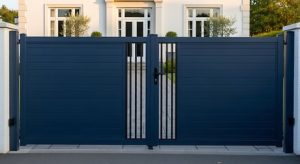
As design trends continue to evolve, custom steel gates are playing an increasingly important role in shaping residential, commercial, and institutional properties. Their ability to merge engineering precision with creative design has transformed them from simple structural components into defining architectural features.
The Evolution of Steel Gates in Modern Design
Historically, gates were built primarily for protection. Their primary purpose was to establish boundaries, control access, and enhance security. While these functions remain important today, modern architecture has expanded the role of gates significantly.
Advancements in fabrication technology and design capabilities have allowed steel gates to become highly customized architectural elements. Instead of relying on standard designs, property owners can now create gates tailored specifically to their aesthetic preferences and functional requirements.
This evolution has been influenced by several factors:
- Increased demand for personalized architecture.
- Advancements in metal fabrication techniques.
- Growing appreciation for curb appeal.
- Greater emphasis on property identity.
- Integration of modern architectural styles.
As a result, custom steel gates have become an essential feature for properties seeking both visual distinction and practical performance.
Why Steel Remains a Preferred Material
Steel has long been recognized as one of the strongest and most reliable construction materials available. Its exceptional durability makes it particularly well-suited for gate applications where security, stability, and longevity are essential.
Unlike many alternative materials, steel offers an ideal balance of strength and design flexibility. It can be shaped into intricate patterns, bold geometric forms, minimalist profiles, and highly artistic compositions without compromising structural integrity.
Key advantages of steel include:
- Outstanding durability.
- High structural strength.
- Resistance to impact and wear.
- Versatile design possibilities.
- Long service life.
- Low maintenance requirements when properly finished.
These characteristics have made steel the material of choice for property owners seeking both beauty and performance.
Creating a Strong First Impression
The entrance to a property often sets expectations for everything that follows. Visitors, customers, guests, and potential buyers frequently form opinions within seconds of arriving at a location.
A custom steel gate serves as a visual introduction to the property’s overall design. Whether the goal is elegance, modern sophistication, industrial appeal, or artistic creativity, the gate helps communicate that message immediately.
Well-designed gates contribute to:
- Enhanced curb appeal.
- Increased visual interest.
- Stronger architectural identity.
- Improved property presentation.
- Greater perceived value.
Because entrances play such a critical role in first impressions, many property owners view custom steel gates as an investment in both aesthetics and functionality.
The Connection Between Architecture and Identity
Modern architecture increasingly focuses on storytelling and identity. Buildings are no longer viewed simply as structures; they are considered reflections of personal preferences, organizational values, and lifestyle choices.
Custom steel gates support this concept by allowing property owners to express individuality through design. Every detail, from shape and finish to pattern and scale, contributes to a unique visual narrative.
A gate can reflect:
- Contemporary design preferences.
- Traditional architectural influences.
- Minimalist aesthetics.
- Artistic creativity.
- Professional branding.
This level of personalization helps transform a standard entrance into a meaningful architectural statement.
Customization Possibilities in Steel Gate Design
One of the primary reasons custom steel gates continue to gain popularity is the virtually unlimited range of design possibilities they offer. Modern fabrication techniques enable highly detailed and customized creations that can complement nearly any architectural style.
Customization options may include:
- Decorative patterns and motifs.
- Geometric designs.
- Laser-cut artwork.
- Architectural textures.
- Unique framing configurations.
- Personalized branding elements.
- Custom finishes and coatings.
These design opportunities allow property owners to create entrances that are truly one of a kind.
Whether subtle and understated or bold and dramatic, custom steel gates can be tailored to achieve a specific visual effect.
Balancing Security with Design
While aesthetics are increasingly important, security remains a core function of any gate system. One of steel’s greatest advantages is its ability to provide exceptional protection without sacrificing visual appeal.
Modern steel gates are designed to combine strength and beauty seamlessly. Property owners no longer need to choose between security and style because custom steel solutions can deliver both simultaneously.
Security-related benefits include:
- Controlled access.
- Enhanced perimeter protection.
- Increased privacy.
- Improved property management.
- Long-term structural reliability.
This balance between form and function is a major reason for the growing popularity of steel gates in contemporary architecture.
The Role of Craftsmanship
Behind every exceptional custom steel gate is a high level of craftsmanship. Skilled fabrication transforms raw materials into architectural features that combine precision engineering with artistic expression.
Craftsmanship influences every aspect of gate production, including:
- Material selection.
- Structural design.
- Welding quality.
- Surface finishing.
- Decorative detailing.
Attention to these details ensures that the final product performs reliably while maintaining visual excellence.
As demand for customized architectural features continues to grow, craftsmanship remains one of the defining characteristics of premium steel gate construction.
Integrating Steel Gates with Modern Architecture
Contemporary architectural design often emphasizes clean lines, material contrast, and visual cohesion. Custom steel gates integrate exceptionally well with these principles, making them suitable for a wide range of projects.
Steel gates can complement:
- Minimalist architecture.
- Industrial-inspired spaces.
- Contemporary residences.
- Commercial developments.
- Mixed-material designs.
Their adaptability allows them to blend seamlessly with surrounding architectural elements while maintaining a strong visual presence.
Whether paired with stone, glass, wood, concrete, or other materials, steel gates contribute to a balanced and cohesive design composition.
Technological Advancements Driving Innovation
The rise of custom steel gates has been supported by significant advancements in manufacturing technology. Modern design software and fabrication equipment have expanded what is possible in both form and function.
Technology contributes to:
- Greater design precision.
- Improved customization capabilities.
- Enhanced fabrication accuracy.
- Faster production processes.
- Consistent quality control.
Digital modeling allows designers and clients to visualize projects before fabrication begins, helping ensure that final results align with expectations.
These innovations continue to push the boundaries of architectural creativity and performance.
Durability and Long-Term Value
Property owners often prioritize investments that deliver long-term benefits, and custom steel gates are well-positioned in this regard. Their durability allows them to withstand years of exposure to environmental conditions while maintaining structural performance.
Benefits of long-term durability include:
- Reduced maintenance needs.
- Lower replacement frequency.
- Improved lifecycle value.
- Consistent functionality.
- Enhanced property protection.
Because steel gates are built to last, they frequently provide excellent returns on investment over time.
Their longevity makes them attractive not only from a design perspective but also from a practical and financial standpoint.
Sustainability and Responsible Design
Sustainability has become an important consideration across the construction and design industries. Steel offers several characteristics that align with environmentally responsible building practices.
Many steel products can be recycled and repurposed, reducing waste and supporting resource conservation efforts. Additionally, the long lifespan of steel gates reduces the need for frequent replacement, minimizing material consumption over time.
Sustainability advantages may include:
- Recyclable material content.
- Long service life.
- Reduced replacement demand.
- Efficient material utilization.
- Support for sustainable construction goals.
As sustainable design continues to gain importance, steel remains a valuable material choice for architects and property owners alike.
The Future of Custom Steel Gates
The future of custom steel gates appears exceptionally promising as architecture continues to embrace personalization, innovation, and integrated design solutions. Property owners increasingly seek features that reflect their identities while providing practical benefits.
Emerging trends may include:
- More intricate custom fabrication.
- Enhanced automation capabilities.
- Integrated lighting systems.
- Advanced finishing technologies.
- Greater architectural customization.
As these trends develop, steel gates will continue evolving as both functional infrastructure and artistic architectural elements.
Their role in shaping first impressions, enhancing security, and expressing identity ensures their continued relevance in modern design.
Conclusion
Custom steel gates have undergone a remarkable transformation from simple security barriers to sophisticated architectural statements. Their rise in modern spaces reflects a growing desire for personalized design, enhanced curb appeal, and meaningful architectural expression.
Combining strength, durability, customization, and visual impact, steel gates offer property owners a unique opportunity to define their spaces from the very first impression. They serve not only as protective features but also as reflections of identity, creativity, and design vision.
As architectural trends continue to evolve, custom steel gates will remain an important element in creating distinctive and memorable environments. Forged through craftsmanship and innovation, they stand as powerful symbols of how functionality and artistry can come together to elevate modern spaces.